


What is Mindful Art?


Creative Approach
At its core, Mindful Art is not about the final product on the canvas—it is about the intentional shift that happens inside your mind while you create it.
Unlike traditional art classes that focus on rigid techniques, perfection, or replication, Mindful Art merges the principles of mindfulness meditation with creative expression. It is a process-oriented practice where the act of painting, drawing, or mark-making becomes an anchor to the present moment. By focusing entirely on the texture of the brush, the flow of the colour, and the rhythm of your hands, you create a space where your internal critic goes quiet, and your subconscious mind can speak.
It Recovers Cognitive Space
When you engage in creative, hands-on tasks without a fear of failure, your brain drops out of the stressful "fight or flight" mode (the sympathetic nervous system) and enters a state of flow. This drastically lowers cortisol levels, reduces anxiety, and gives your nervous system a chance to regulate.
It Unlocks Hidden Emotional Insights
Sometimes, words aren't enough to process stress, burnout, or major life transitions. Creative expression taps into the non-verbal, intuitive parts of your brain. Shapes, colours, and textures allow you to externalise complex emotions, helping you understand and release them safely.
It Quietens the "Inner Critic"
Most adults stop making art because they are afraid of making a mistake. Mindful Art teaches you to view mistakes as natural transitions. It fosters a mindset of radical self-compassion, training your brain to let go of perfectionism both on the canvas and in daily life.
It Reconnects You to the Present
In a world addicted to notifications and future-planning, Mindful Art requires your physical presence.
It is a sensory, tactile experience that grounds you entirely in the here and now, acting as a functional form of meditation for people who find it difficult to sit still in silence.

Mindful art philosophy
“You do not need to be an artist to practice mindful art. You only need the willingness to pick up a tool, make a mark, and see where the present moment takes you.”

Jules Esquivel
Artist, designer and faciliator
My work often incorporates recycled materials, reflecting my commitment to sustainability and creating meaningful connections between people and their surroundings. Through my art, I aim to foster a sense of wonder and playfulness by disconnecting from moulds to fit in, rigid mental structures and challenging the norm, encouraging individuals to reconnect with their inner child through a sensory experience.
Having spent more than 8 years in the corporate world, I realised it was easy to put on the "productive hat" and forget about the "self-love and self-care hat". Often at work, deadlines are tight, and we want to do our best, but our potential lies behind the presence of connection with our inner calmness.
My work allows people to relax, have a break and have a mindful moment for themselves and their inner child by grounding their nervous system, slowing down and quieting the inner critic.

Who is Mindful Art for?
-
People wanting to disconnect from "adulting" or adult responsabilities and pressures.
-
People who want to connect with like-minded individuals who value their emotional well-being.
-
People feeling overwhelmed, anxious, stressed, emotionally drained.
-
People who think they are not creative and can't do art.
-
People who don't want to feel ike they need to do "good art".
-
For those who are blocked to do what they love and want to break free from "perfectionism" that keeps them from starting or enjoying what you usually enjoy doing.
-
People wanting to do art and have no idea where to begin and have never done it.
Meet the raw energy of digital art, illustration, abstract and expressionism
I invite the viewer to lose themselves in the exhilarating chaos of colour and texture to release tension and disconnect from their reality to other more playful realities where adulthood pressures were still in an unknown future.
From bioplastics, recycled materials, mindfulness, colour psychology to CMF.

What does science say?
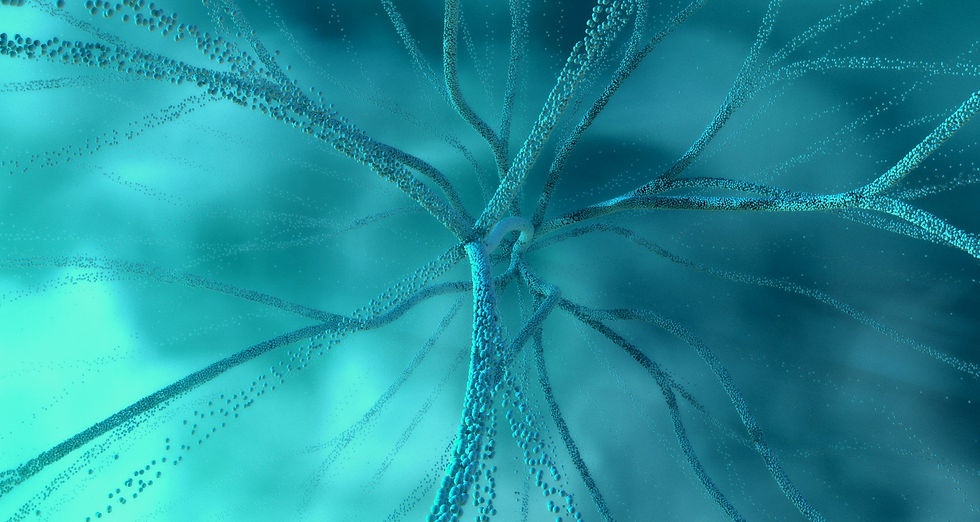
Science has found that engaging with art (whether making it or viewing it) activates the same brain pathways used for Emotional Regulation (ER). Specifically, it creates a "bridge" between two critical areas:
-
The Medial Prefrontal Cortex): The brain’s "executive center" that manages complex thoughts and self-reflection.
-
The Amygdala: The brain’s "emotional alarm system" that processes stress and fear.
-
The Result: Art helps the executive brain "calm down" the emotional center, making it easier to process difficult feelings like trauma or stress.
How does Mindful Art work in the body?
-
Vagal Tone Enhancement: Mindful art-making (especially when paired with music) stimulates the Vagus Nerve. This increases your "vagal tone," which helps your heart rate and breathing return to a calm state faster after stress.
-
Activation of the Insula: This part of the brain is responsible for Interoception (sensing what is happening inside your body). Mindful art helps you "feel" your emotions physically through the materials (textures, colours, 3D reliefs), allowing you to release them rather than suppressing them.
-
The "Flow State" Phenomenon: When you are deeply immersed in creating, your brain enters a "Flow State." This reduces activity in the Superior Frontal Gyri, effectively "quieting" the inner critic and the ego. This is the physiological equivalent of a deep meditative state.
Source: National Library of Medicine
Photo by Buddha Elemental 3D


Corporate events
.mdd
In this workshop, people created a moldboard with actual materials. Creatives are very used to digital moodboards, so having a variety of real-life textures and materials made a difference after I guided different users including designers, to create their moodboard considering their chosen persona, some sustainability aspects from air quality, to surfaces, to furniture as well as some inspiration were aspects they considered to choose their colour palette and composition.
The materials used were different types of surfaces such as metals, wooden samples, flooring and other decorative paper and natural materials to bring the composi

workshop at .mdd

Describe your image

Describe your image
workshop at .mdd
Kinnarps
Users were guided to explore the different finishes through stensils they could mix and match to visualise pieces with different fabrics. The outcome intended to highlight the “resimmercial” finishes to take commercial spaces from corporate to warm interiors as the fabrics chosen were inspired in nature, making the combinations easier to do.

workshop at Kinnarps
workshop at Kinnarps
Let Jules know the types of workshops your employees or clients need, or let her assess and she will suggest a tailored experience to relax, unwind, and reset their nervous system through different techniques.
Work


Get in touch:
Service area: London, other areas overseas travel upon request
© 2023 The Wellbeing Designer ™

